Broadcast Television vs. Corporate Video: Why Your Videographer’s Background Matters
Let’s be honest: TV news gets a bad rap these days. In the modern media landscape, some people view daily news as the bottom feeders of the video world. But if we strip away the daily headlines and look purely at the craft, former television news professionals are actually some of the absolute best creators to produce your corporate videos.

Why? Because we come from storytelling factories.

Legendary programs like CBS Sunday Morning and 60 Minutes didn’t build decades-long, historic legacies by delivering boring content or bad storytelling. They built their reputations on finding the narrative, capturing the emotion, and keeping viewers hooked.

When you hire a production company, you aren’t just paying for someone to press record. Here is why hiring an experienced corporate videographer in Utah with a broadcast background is the best investment you can make for your brand’s visual marketing.

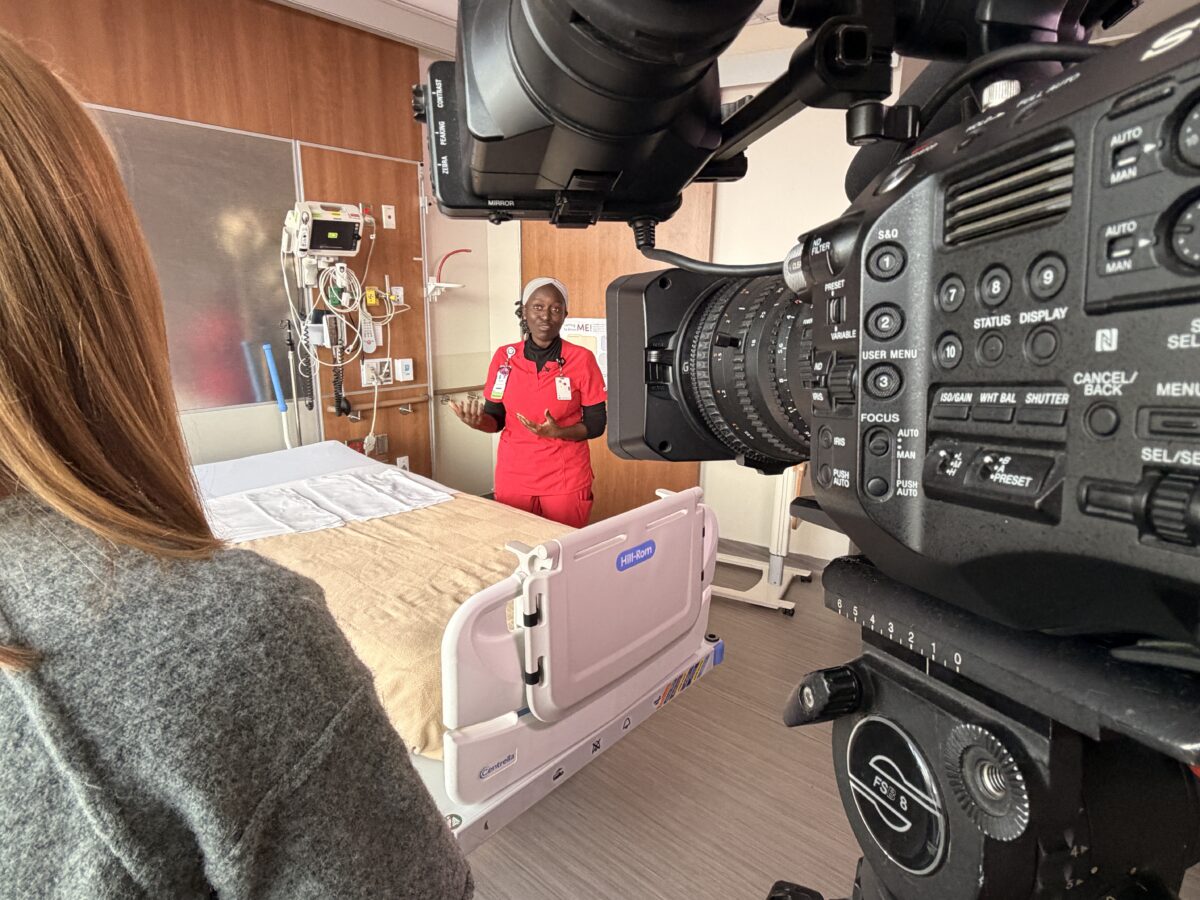
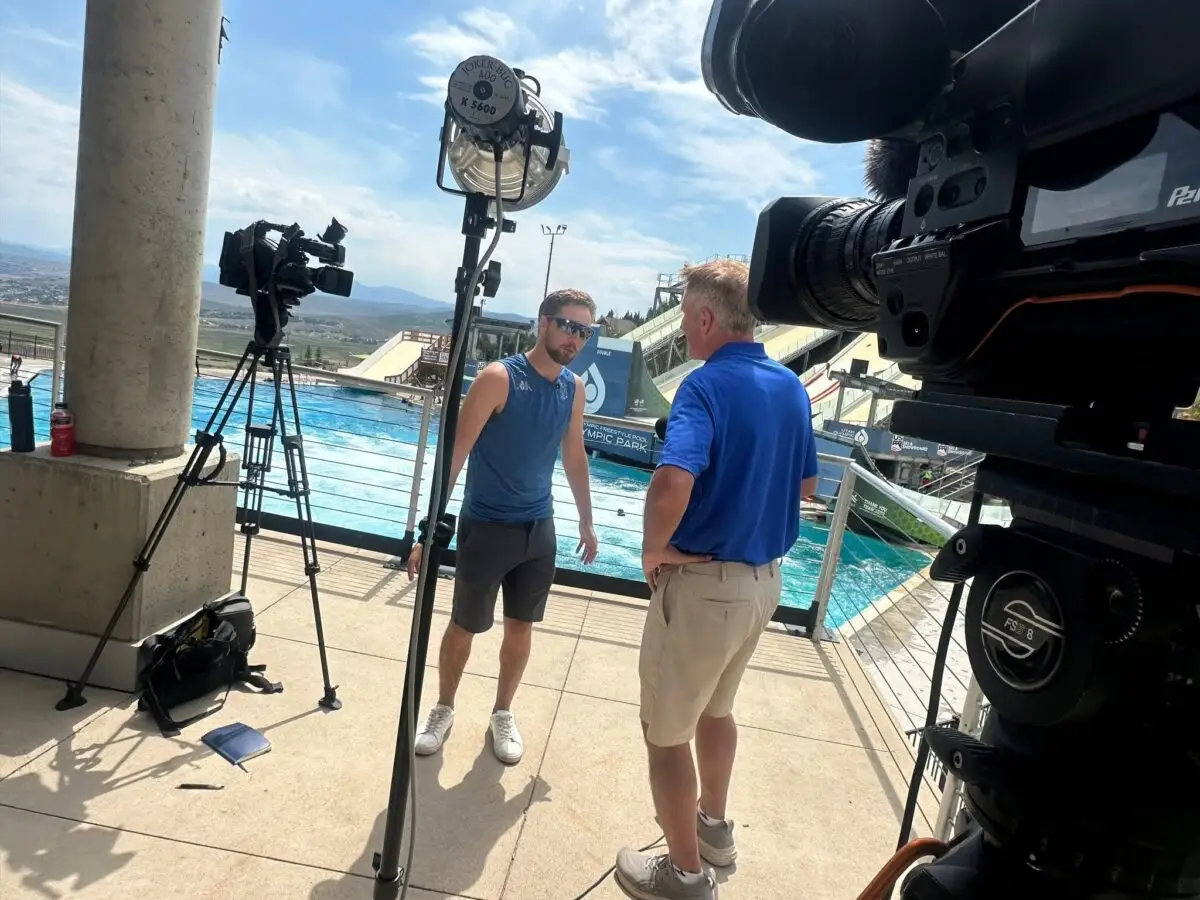
The Art of the Interview

Corporate videos often fall flat because they feel stiff, scripted, and inauthentic. Coming from a news background, we don’t just set up a camera and ask you to read off a page. We know how to conduct real, conversational interviews.

We ask the hard questions—the ones that bypass the corporate jargon and provoke genuine, emotional answers. We want to capture why you do what you do, because that authentic passion is what ultimately sells your business to your customers.

Pacing, Emotion, and the Edit

Anyone can splice a few video clips together, but true storytelling happens in the edit. We know how to sift through hours of footage to find the perfect story. We understand how to pace a story, when to let a moment breathe, and how to combine visuals with sound so that the viewer actually feels who you are and what you do. We take the complex reality of your business and distill it into a powerful, engaging message.

Forged in the Fire of Deadlines

TV news teaches you how to work under immense pressure and still deliver perfection. Whether it’s lighting an interview flawlessly in a tight space, adapting on the fly when a shoot doesn’t go to plan, or hitting a strict deadline, those skills directly translate to a smooth, stress-free set for our clients.

With a 30-year visual storytelling background and Emmy-winning standards, we don’t just meet expectations; we elevate them. Maintaining professional video production standards means delivering a cinematic, polished final product, no matter what obstacles arise on shoot day.

Ready to Tell Your Story?

Your business deserves more than a standard, cookie-cutter promo video. It deserves a story that connects. If you’re looking to elevate your brand with video that drives real emotion and results, let’s talk.

Reach out to Web Video Imagery today to discuss your next project.
Why Every Utah Business Needs Professional Video Marketing

A business owner knows the business better than anybody. But knowing your business and explaining it to someone who has never met you are two different things.

That’s one reason I like sitting down with owners before I pick up a camera. I want to understand who they are, what they do, where they work, and how they help people. Then I ask the question that usually leads somewhere interesting: why?

Maybe they started the company because they saw a problem nobody was solving. Maybe the business has been in the family for generations. Maybe they just love doing something well. Whatever the answer, that’s often the part customers remember.

A professional business video gives people a chance to see the faces, hear the voices, and understand the care behind a company. It can live on a website, support a presentation, or introduce a business to someone who is considering calling.

The camera work matters. Good lighting and sound matter. But a beautiful video that doesn’t tell viewers anything meaningful about your business is a missed opportunity.

I approach video production like storytelling. We start by listening. Then we decide which moments and images will help the audience understand what makes your business worth knowing.

If you’re running a business in Utah, you don’t need to pretend to be somebody else on camera. You need to be yourself, with a little help shaping the story so other people can see it clearly.

It’s your story, in your voice. My job is to bring the experience to help tell it.

If you’d like to talk about a video for your business, visit webvideoimagery.com.

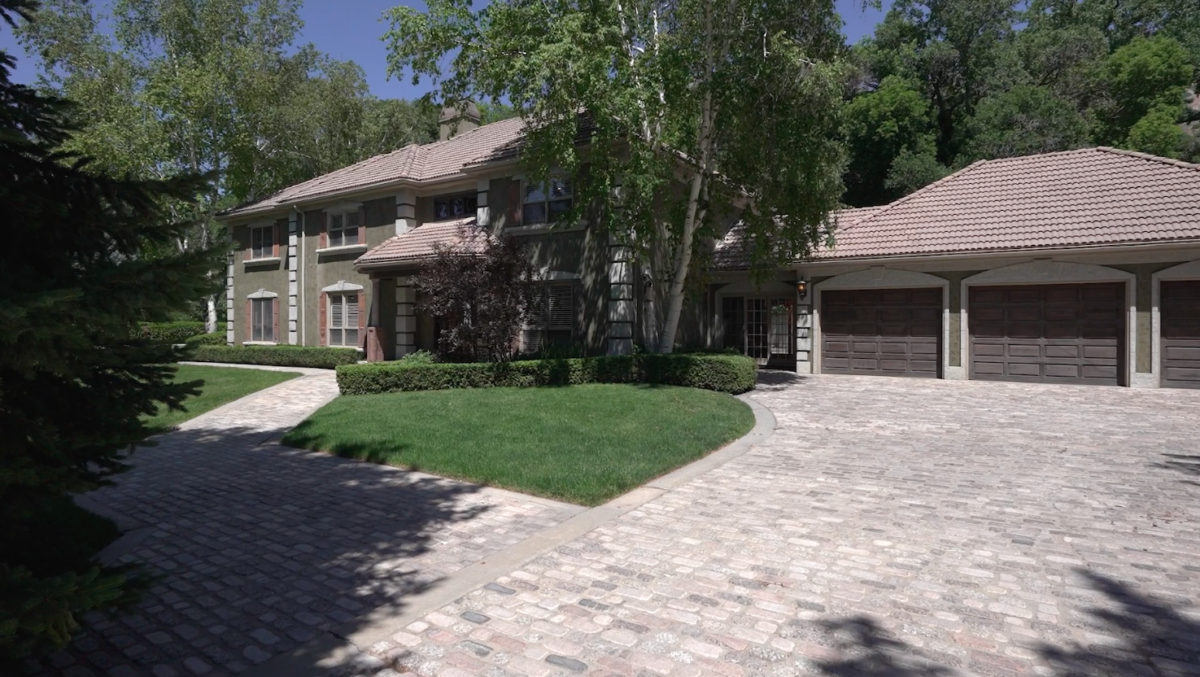
Why a Million-Dollar Home Deserves More Than a Slideshow

When you’re marketing a luxury home, beautiful photographs matter. I shoot still photography myself, and I know the value of a strong image.

But a photograph can’t always show how a home feels as you move through it. It can’t take you from the front entry into the great room, around the kitchen, and out onto the patio with the mountain view. That’s where video adds something different.

Luxury properties often have details that deserve more than a quick glance: custom woodwork, thoughtful architecture, a setting you can’t appreciate from one angle. A carefully filmed tour can help buyers understand how those pieces fit together.

Sometimes I film a cinematic walkthrough with music, aerial footage, and a focus on the home itself. Other times an agent joins me, and we walk through the property together. That creates a more personal tour, where the agent can explain what makes the house special in their own words.

Neither approach is automatically better. It depends on the home, the audience, and how the agent wants to present it.

A video doesn’t replace an in-person showing or guarantee a sale. It helps serious buyers see more of the property before deciding what to explore next.

When you’re representing a remarkable home in Park City or Deer Valley, the marketing should help people understand why it’s remarkable and not just tell them the asking price.

For cinematic property video in Utah, visit webvideoimagery.com.

Why Affordable Video Production Means Thinking Outside the Studio

When businesses start looking into video marketing, the first hurdle they usually hit is the price tag. Video production has a reputation for being expensive, and often, that reputation is earned. But what many people don’t realize is exactly what they are paying for when they hire a traditional production company.

At Web Video Imagery, we understand budgets because we all have them. And after 30 years behind the camera, I’ve learned that delivering a high-quality video doesn’t require a high-priced studio. In fact, keeping video production affordable usually comes down to one simple strategy: thinking outside the box, and more importantly, outside the studio.

The Hidden Overhead of Studio Production

When you book a shoot in a dedicated studio space, a massive chunk of your invoice isn’t actually paying for the video itself. You are paying for the studio’s overhead. Before the camera even starts rolling, your budget is absorbing:

  • Commercial rent and lease costs for a massive, often underutilized building.
  • Massive utility bills to power and climate-control the facility.
  • Permanent studio lighting grids and staging equipment.
  • Staff wages for in-house editors, assistants, and studio managers just to keep the doors open.

All of these fixed costs have to be covered, which means they are baked directly into your production price.

The Value of the “Free” Background

Instead of paying for someone else’s real estate, the most cost-effective and visually interesting sets are often the ones you already have access to.

An office space, a nearby park bench, or even leaning against the side of your logo-wrapped work truck are entirely free locations. They add zero dollars to your production price. But the financial savings are only half the benefit.

Shooting in your own environment fundamentally changes how you perform on camera. Walking into a massive,soundproofed studio with a sprawling lighting grid is intimidating. It raises anxiety and makes people feel stiff. Alternatively, when we shoot in your comfortable workplace, that anxiety drops. It makes it infinitely easier to have an unscripted, natural conversation and draw out your real story rather than relying on stiff, memorized lines.

Creating Depth Without the Studio

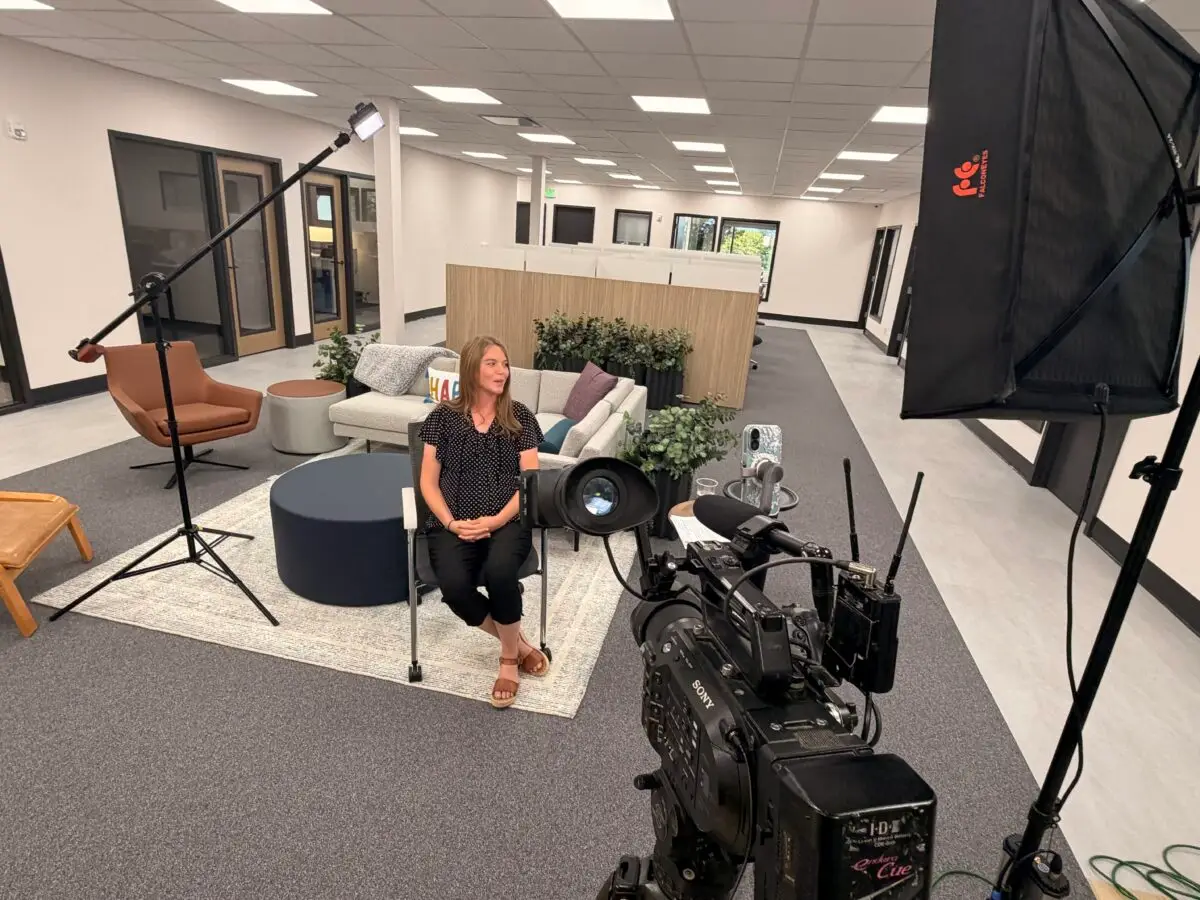
You don’t need a massive soundstage to make a video look cinematic. Sometimes your kitchen, your living room, or looking straight down a hallway is the absolute perfect spot to tell your story.

It comes down to knowing how to use a space. By utilizing the corners of a room or positioning you five to ten feet away from a wall, we can create beautiful visual depth, completely eliminating the flat, lifeless backgrounds you often get in small studio setups. Decades of visual storytelling experience mean knowing how to find these dynamic angles in everyday spaces.

When a Studio Actually Makes Sense

Are there times when a studio is necessary? Absolutely.

If a studio is truly the only option that fits the creative vision, Web Video Imagery will absolutely shoot in one but, we simply pass the hard cost of the rental directly to you without marking up the overhead.

However, this is rare. In the last eight years, I have only shot in a studio twice. In both instances, we didn’t have other options based on the specific needs of the shoot: one required a massive green screen setup, and the other involved a client who specifically needed an expansive, pure white seamless wall.

For everything else? The world is a much better, cheaper, and more authentic set.

If you are ready to tell your story without paying for someone else’s overhead, let’s find the perfect spot in your space to make it happen. Visit WebVideoImagery.com to get started.

Camera Shy? How to Beat the Nerves and Look Your Best on Video

Almost everyone feels a spike of adrenaline when a professional camera points their way. The lights go on, the lens opens up, and suddenly, you forget what you do for a living. If you get nervous on camera, you are absolutely not alone.

But looking confident, relaxed, and authoritative on video is a learned skill and a highly guided process. Here are the top 5 things you can do to calm those on-camera nerves before your next video shoot:

1. Shift Your Focus to the Audience

Nerves often come from inward focus: How do I look? Am I talking too fast? Did I say that right? Instead, focus outward on the person who will be watching the video. Think of one specific client you’ve helped recently. Speak directly to them, focusing on the value you are sharing rather than the performance you are giving.

2. Breathe and Ground Yourself

It sounds simple, but we tend to hold our breath when we’re anxious. Before the camera rolls, take three deep, slow breaths from your diaphragm. Plant your feet firmly on the floor. This physical grounding lowers your heart rate and physically tells your brain you are safe.

3. Ditch the Rigid Script (When Possible)

Unless it is strictly required, trying to memorize a three-minute script word-for-word is a recipe for disaster. The moment you miss a word, panic sets in. Instead, rely on a simple bulleted list of 3 to 4 main points you want to cover. You already know your business inside and out, trust yourself to explain it naturally.

4. Talk to the Human, Not the Lens

Staring down the dark barrel of a lens can feel intimidating. The easiest fix? Look just off-camera at the person interviewing you. Having a real conversation with a real human naturally brings out your facial expressions, hand gestures, and authentic vocal inflection.

5. Give Yourself Permission to Mess Up

Video editing is magic. If you stumble over a word, lose your train of thought, or need to clear your throat—just pause, take a breath, and start the sentence over. You don’t have to be one-take perfect. The final polished video will only show your very best moments.

The Secret to Great Video? It’s Just a Conversation

Over 30 years of professional videography and visual storytelling, I’ve had the privilege of interviewing thousands of people. In my two decades working in daily broadcast television news and earning 17 Emmy awards along the way, I learned very quickly that my job isn’t just to press record. My job is to be a conversationalist.

Whether we’re shooting a brand story for a local Wasatch Front business or a customer testimonial, my goal at Web Video Imagery is to make the process completely painless. I sit down with you, and we just talk. I know how to guide the discussion, help you gather your thoughts, and draw out the authentic voice of who you are. When we turn a rigid interview into a comfortable conversation, your true personality shines through, and that is what makes you look the absolute best on camera.

What If You Need a Script?

While the best corporate videos are conversational, there are absolutely times when words need to be exact. Some industries have strict compliance guidelines, lawyers involved, or highly specific branding where every single word matters.

For those videos, I bring a professional teleprompter to the shoot. You don’t have to memorize a thing. We load your approved script into the prompter, and you read it right into the camera lens. We take our time. You can read through it a few times to get comfortable with the pacing, ensuring you feel 100% good about the exact words representing your business.

Whether we are having an unscripted chat or you’re reading a carefully crafted message, my job is to make sure the camera captures the real, confident you.

Ready to tell your story? Let’s talk.

Mastering Interview Composition: How to Position Your Subject for a Cinematic Look

Whether you are shooting a corporate video, a documentary, or promotional content for your website, the way you frame and position your interview subject speaks volumes before they even utter a word. A flat, poorly framed setup can feel amateurish or uncomfortable, while a thoughtfully placed setup instantly elevates your production value.

At WebVideoImagery.com, we frequently get asked: “How do I make my video interviews look like a high-end film production without spending thousands on extra gear?”

The secret often isn’t a costlier camera or fancy lighting setups. It’s simply where you place your subject in the room.

1. Step Away from the Wall (and the Bookcase)

The most common mistake beginners make is backing their subject directly against a flat surface. Positioning someone right against a blank wall or flat up against a bookcase flattens your frame, making the image feel tight, uninspiring, and cheap.

  • Give Them Space: Place your subject at least 5 to 10 feet away from any background wall or structural element.
  • Avoid Flat Bookcases: While a bookshelf adds texture, sitting right in front of it makes the frame feel cluttered and distracting. Pushing the subject forward separates them from the background detail.

When you create separation between your subject and the background, you allow the camera lens to render a natural, soft background blur (also known as bokeh). This subtle blur immediately draws the viewer’s eye straight to your subject’s eyes, ensuring they remain the primary focus of the shot while giving the scene an elevated, cinematic feel.

2. Working in Tight Spaces? Use the Corner

We know that ideal shooting locations aren’t always available. If you are stuck in a small office where a flat wall is truly all you have, don’t shoot straight on.

Instead, position your subject toward a corner of the room.

By angling your shot into a corner, you introduce converging perspective lines. These diagonal lines instantly lead the viewer’s eye into the image, turning a flat, two-dimensional space into a dynamic, three-dimensional environment with genuine depth.

3. Avoid the “Interrogation Room” Window Trap

It is tempting to place your subject directly in front of a window to capture natural light in the background. However, unless you have massive professional lighting rigs inside to match the intensity of the sun outside, this layout causes severe exposure issues.

  • The Backlight Problem: The camera will automatically adjust for the bright window, rendering your subject as a dark, featureless silhouette.
  • The “Interrogation” Effect: High contrast, heavy backlighting, and harsh shadows give the scene a cold, ominous vibe—making your guest look like they are undergoing a tense police interrogation rather than sharing insights.

Better Alternative: Position your subject so the window lights them from the side or front (at a 45-degree angle) rather than sitting directly behind them.

How Much Does Corporate Video Production Cost in Salt Lake City?

You are ready to hit “record” on your company’s next major marketing push. You know a high-quality video is the tool you need to close deals, train your team, or tell your company’s story. But as you prepare to hire a production team, you need to know the bottom line: What is the average corporate video production cost in Utah?

When comparing production agencies, getting a straightforward flat rate can be frustrating. That is because professional video production isn’t an off-the-shelf product; it is a custom-built asset. While typical professional campaigns in the region can range anywhere from $2,500 for a straightforward local shoot to $50,000+ for a massive commercial project, the final number always depends on the scope of work.

To help you accurately evaluate your quotes, here is a breakdown of the variables that determine exactly how much is a brand video, and what goes into professional Salt Lake City videographer pricing.

1. Pre-Production: The Blueprint of Your Video

Before a single camera is turned on, the groundwork must be laid. Pre-production is where your budget is actually controlled and optimized. Skipping this step leads to expensive mistakes on filming day.

When you see pre-production line items on a quote, you are paying for:

  • Creative Concepting & Scripting: Developing the core message, writing the dialogue, and storyboarding the visual flow.
  • Logistics & Location Scouting: Finding the right spots around Salt Lake City or the Wasatch Front, securing filming permits, and scheduling the talent.
  • Crew Assembly: Determining exactly who is needed for the shoot (e.g., a solo shooter vs. a full crew with a director, audio engineer, and lighting specialist).

2. Production: Half-Day vs. Full-Day Rates

The production phase covers the actual days spent filming. Most Salt Lake City video production companies and freelance videographers do not charge by the hour; they charge by the day or half-day.

Understanding day rates is critical to managing your corporate video production cost in Utah:

  • The Full-Day Rate (Usually up to 10 hours): Required for narrative brand films, multi-location shoots, or capturing a high volume of interviews. If your shoot involves moving between a downtown SLC office and a warehouse in West Valley, you will absolutely need a full day to account for teardown, travel, and setup. The range can be from $1,000 to 10,000. How big is your production?
  • Equipment Fees: High-end cinema cameras, specialized lighting rigs, drone videography, and teleprompters will add to the daily rate.

3. Post-Production: The Final Polish

A common industry rule of thumb is that for every hour spent filming, expect at least two to three hours of editing. Post-production is often the most time-consuming phase of the project, which means it heavily influences your total cost.

Post-production variables include:

  • Video Editing & Pacing: Sorting through hours of footage to find the best takes, cutting the story together, and ensuring the pacing holds the viewer’s attention.
  • Color Grading: Giving the video a cinematic, professional look that aligns with your brand guidelines rather than looking like raw home-video footage.
  • Audio Mixing: Balancing the dialogue, removing background room noise, and adding licensed music or sound effects.
  • Motion Graphics & Animation: Adding custom animated logos, lower-third name titles, or complex data visualizations. Heavy motion graphics will significantly increase post-production costs.
  • Revisions: Most contracts include one or two rounds of client revisions. Requesting major changes after the final cut can trigger hourly overage fees.

Maximizing Your Video Production Budget

If you want to maximize your ROI, the best approach is to batch your content. If you are already paying a full-day rate to have a crew set up lights and cameras in your office, don’t just shoot one video. Use that time to capture a core brand video, three short client testimonials, and a month’s worth of short-form social media reels.

Ultimately, Salt Lake City videographer pricing scales directly with the complexity of your vision. By coming to your production partner with a clear goal, an understanding of these three production phases, and a transparent budget range, they can reverse-engineer a video strategy that delivers exactly what you need.

Setting the GPS for Your Next Video: A Guide for Salt Lake City Businesses

Imagine jumping onto I-15, hitting the gas, and having absolutely no idea which exit you need to take. You would cover a lot of ground, burn through your budget, and ultimately end up exactly where you started.

Video marketing works the exact same way.

When businesses along the Wasatch Front decide they need a video, the first instinct is often to point a camera and start talking. But to create an asset that actually drives results, we have to treat video production just like a GPS. Before we hit record, we need you to enter a destination.

Help your video team help you by narrowing down these three critical coordinates before production begins:

1. The Destination (Your Core Goal)

A beautifully shot video is useless if it doesn’t achieve a specific business objective. What is the actual destination for this project?

  • Are you trying to build trust? A customer testimonial or brand story video shows potential clients who you are.
  • Are you driving immediate sales? A punchy, 30-second promotional ad needs a strong hook and a direct call to action.
  • Are you recruiting talent? A company culture video needs to highlight your workplace environment to compete in the local market.

Pick one primary goal. When a video tries to do everything, it usually accomplishes nothing.

2. The Route (How the Video Will Be Used)

Your destination dictates the route we take to get there. Knowing where your video will live changes how it needs to be filmed, edited, and formatted.

  • Website Hero Video: Needs to be highly polished, horizontally framed, and visually engaging even without sound.
  • Social Media Campaigns: Platforms like Instagram and TikTok favor vertical formatting, fast pacing, and authentic, hyper-local content that connects with Utah demographics.
  • B2B Pitches & Trade Shows: Requires a more formal tone, deep dives into product mechanics, and crystal-clear audio.

Tell your videographer exactly where the final product is going so they can engineer the footage for that specific platform.

3. The Itinerary (Narrowing Your Scope)

One of the most common mistakes local businesses make is trying to cram their entire 20-year company history, a breakdown of every service they offer, and introductions to the entire staff into a single two-minute video.

Help us narrow the scope. What are the specific topics you want to discuss? If you are a roofing company, maybe the focus is strictly on fall maintenance before the Utah winter hits. If you are a custom home builder, maybe the focus is solely on your craftsmanship and material selection.

Write down the top three bullet points your audience absolutely needs to know. Everything else is a distraction.

Great video production is a collaborative partnership. By defining your destination, choosing your route, and packing a focused message, you give your video team the exact coordinates they need to deliver a final product that actually moves your business forward.

How Utahns Search for Contractors Has Changed

If your marketing strategy is still relying on 2020 search habits, you are missing high-intent Utah homeowners.

  • AI-Driven Search: Over 15% of daily Google searches have never been searched before, with homeowners typing conversational, problem-focused queries (e.g., “Why is my water heater popping and who fixes this in Sandy?”)
  • Faster Decisions: 3 out of 4 consumers report that AI Overviews and AI Mode help them make faster, more confident buying decisions.
  • Visual & Multimodal: Search is no longer just blue text links; it serves images, videos, and direct booking options immediately.

Takeaway: Ensure your website and profile answer specific local home repair scenarios in plain English, supported by clear photos and video walkthroughs.

Every business video project has a different footprint.

For many local Wasatch Front shoots, operating as a nimble, solo professional is the most efficient way to capture a story without disrupting your daily operations. However, when a project demands a larger scale, we have the immediate capacity to manage and deploy a full crew including expert animators, licensed drone pilots, and dedicated audio operators. Regardless of the crew size, our commitment to your brand remains absolute. We ensure that every piece of content strictly adheres to your original design, taglines, and brand assets. Your legacy is safe with us.